Comfort-Oriented Modern Bathroom Design


Among interior spaces, bathrooms, which are frequently renovated areas of the home, now stand out not only for their functionality but also for their comfort and design. As one of the most suitable spaces in the home to start the day energetically and end it in relaxation, bathrooms are also among the areas where the most time is spent. However, especially in small bathrooms, combining functionality and aesthetics can sometimes be challenging process.
Before focusing on decorative details, correctly planning the layout of the space and receiving expert support during the bathroom remodeling process will be beneficial in this regard.
In modern interior architecture, comfort-oriented modern bathroom design is no longer seen as an element exclusive to luxury projects but as one of the fundamental components of a quality living concept. Acting with this perspective, the D’Fine Design and Build team stands by you with customizable bathroom remodeling projects, aiming to create a special space where you can step away from the pace of the day and where body and mind are rebalanced.
The Definition of Comfort in Modern Bathroom Design
In modern bathroom design, comfort is not limited to soft textures or stylish fixtures. True comfort is achieved when homeowners can use the bathroom effortlessly and enjoyably throughout the day.
When thinking of comfortable bathrooms, hotel bathrooms often come to mind, as these spaces combine functionality and elegance simultaneously. These bathrooms, which maximize space usage, also provide ideas for designing small home bathrooms in the best possible way.
The definition of comfort here is not limited to physical ease. In addition to visual appeal, ease of use and emotional relaxation are also integral parts of a comfortable bathroom. Accordingly, comfort in a modern bathroom can be described through several key aspects:
Adequate Movement Space
One of the fundamental elements of a comfortable bathroom is having an ideal movement area. Homeowners should be able to use the shower, toilet, or sink easily. This ensures that daily routines proceed smoothly and without stress.
Practical Use
Another meaning of comfort in bathrooms is, of course, functionality. Bathrooms, toilets, and sinks positioned according to homeowners’ habits become part of a seamless and effortless experience for those spending time in the space. In addition, water-resistant and non-slip surfaces in this area enhance comfort and ensure long-lasting use.
Proper Use of Light
Correct lighting determines both functionality and the atmosphere of the space. Layered lighting and natural light reflected from mirrors make the bathroom feel more spacious and inviting.
 Creating Clean and Spacious Bathrooms by Optimizing Space Use
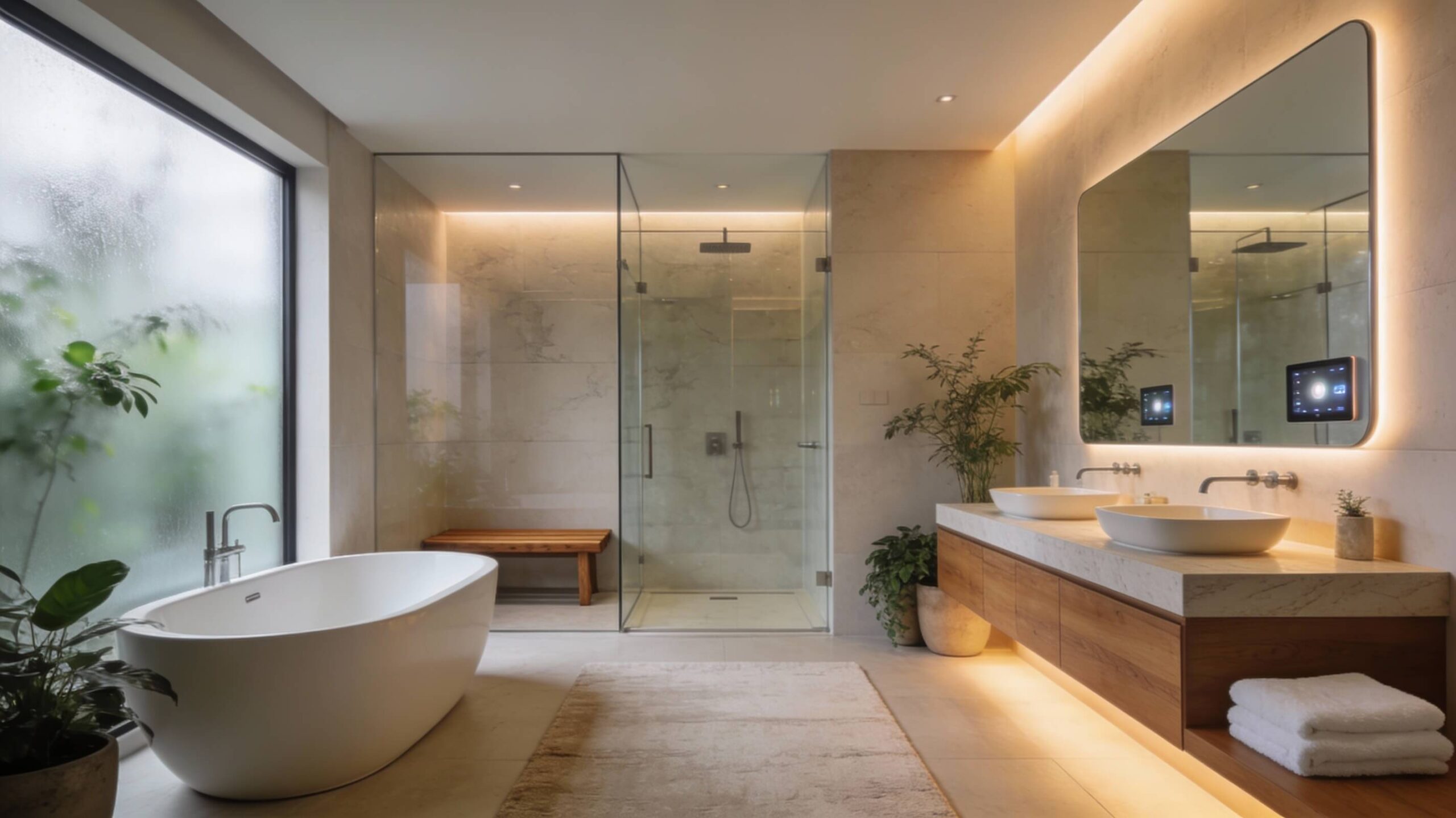
Especially during the bathroom remodeling process, in addition to creating a proper layout plan, the choice of colors and lighting in a bathroom can make the space feel much cleaner.
Regardless of the current size of the bathroom, organizing it well always ensures that it appears much more spacious. Another tip for expanding and changing the atmosphere of the space is related to the use of the right colors. Indeed, the sense of cleanliness offered by light-colored bathrooms, when combined with well-chosen accessories, can create a spa-like effect.
On the other hand, to optimize space usage, the following steps should be considered:
Clearly Separating Wet and Dry Areas
This prevents water splashes during shower and sink use, keeping the space clean and organized.
Choosing In-Wall Cistern Systems and Wall-Mounted Toilets and Sinks
This maintains floor continuity, creating a spacious and minimalist appearance.
Using Large-Format Covering Materials
This reduces the number of grout lines, providing both visual simplicity and easier cleaning and hygiene.
Material Selection: Combinations of Natural Stone, Ceramic, Glass, and Metal
It is possible to create a more comfortable bathroom with luxurious touches without straining your budget. In small bathrooms, flat and simple surfaces are generally preferred. However, incorporating textured materials in certain areas can help create a more eye-catching and dynamic design.
In addition to frequently used marble, natural stones such as travertine and granite make it easier to achieve a more luxurious and stylish look in bathrooms.
Large porcelain tiles are not highly absorbent and are very easy to clean, making them a favorite material for bathrooms.
In addition, glass shower enclosures create ease of use in the bathroom by dividing the space without the need for construction. Black or chrome and brushed brass or bronze metal details enhance the perception of luxury in modern bathrooms.
 Creating a Bright Bathroom Atmosphere with Lighting and Mirrors
Designing a great bathroom is not just about choosing tiles. The real secret is in how you use light and reflections. If you want to achieve that airy luxury hotel feel in your bathroom, you should think of lighting and mirrors as a strategic pair.
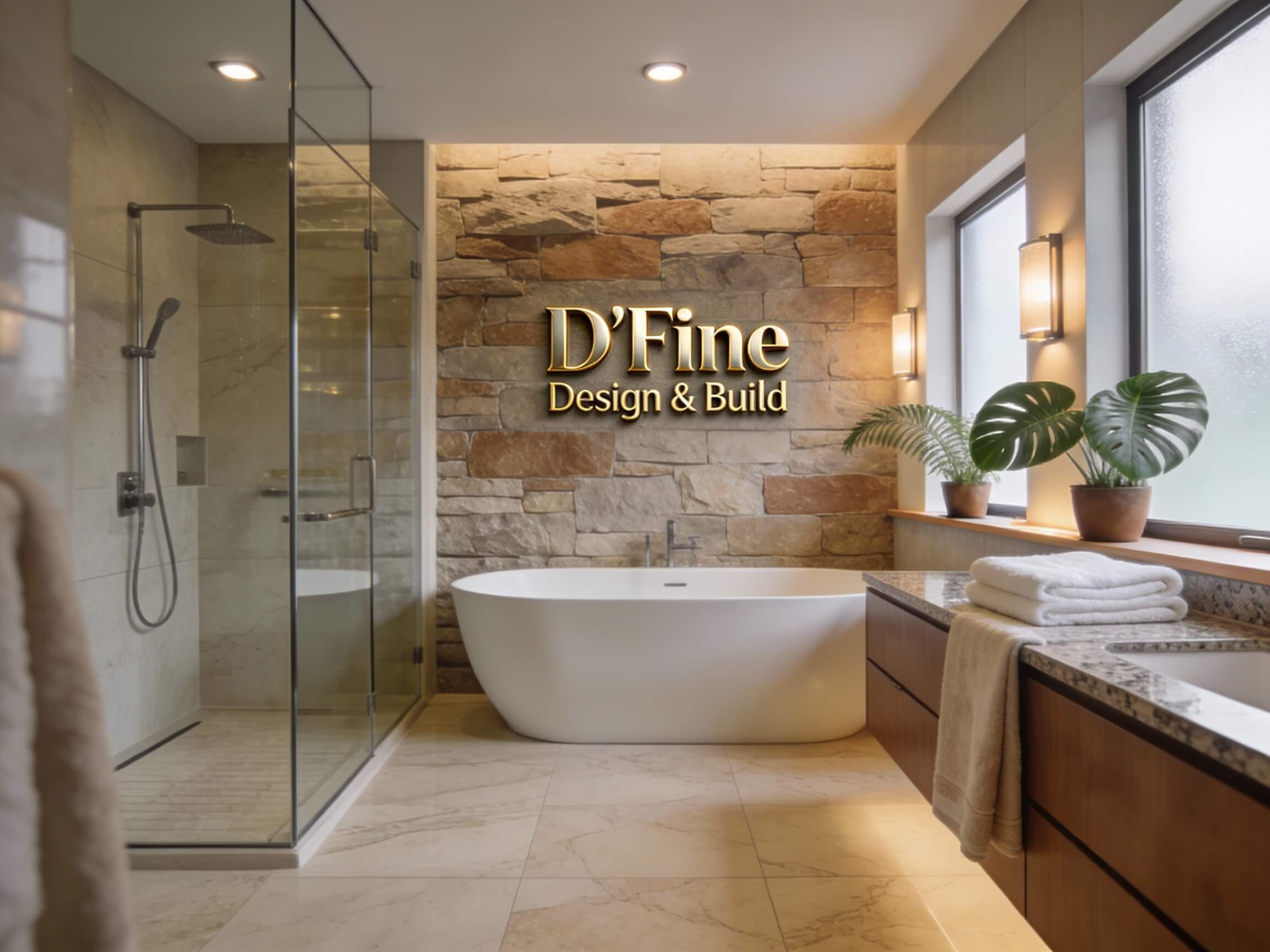
The biggest mistake in many bathrooms is relying on just a single ceiling light. For a truly spacious feel, layered lighting is essential. Soft, layered lights added alongside the ceiling fixture can transform the bathroom from a cramped space into a modern living area.
Mirrors are accessories and design tools that add depth to a space. They are especially useful in bathrooms without natural light. Strategically positioning mirrors also helps bathrooms with insufficient natural light appear much brighter.
In small and windowless bathrooms, the greatest savior is mirrors. With properly positioned mirrors, light can be distributed more throughout the room. For this, you can take advantage of the depth effect. In fact, by placing mirrors in wall niches, you can make the space appear wider than it is.
As an interesting but effective method, adding a mirror inside the shower adds a sense of depth to the space while also providing practical use. On the other hand, when renovating the bathroom, color temperatures as close to daylight as possible should be preferred. In LED-backed mirrors, indirect light coming from behind the mirror neither strains the eyes nor, at the same time, adds deep aesthetic to the bathroom.
Combining Luxury Touches with Minimal Lines
Minimalism forms the basis of modern bathroom design. In today’s trends, minimalism is interpreted with a relatively warmer and more sophisticated approach.
Minimal details that increase the perception of luxury in bathrooms are:
- Hidden handle systems
- Slim-profile glass
- Naturally textured surfaces
- Matte metal fixtures
This approach is the reflection of the concept of “quiet luxury” in bathrooms.
Ergonomic Sink and Counter Heights for a Modern Bathroom
Ergonomics is the most technical yet critical element of a comfortable bathroom. Incorrect heights can lead to long-term back and waist problems.
The generally accepted ergonomic measurements are as follows:
- Sink height: 36” inches
- Counter depth: 21” Inches
- Mirror center height: 60” Inches
These measurements should be planned according to the homeowners’ height and habits. In modern bathroom design, user-focused planning takes precedence over standard solutions. The experts at D’Fine Design and Build consider your routines, lifestyle, and personal characteristics in every detail to deliver and implement the most suitable bathroom renovation project.
Hidden Storage Areas and Minimal Use of Accessories
In modern bathrooms, clutter is an element that directly overshadows comfort. Excess items not only create visual pollution, but also make cleaning surfaces such as the floor and countertop more difficult. For this reason, design experts recommend hiding storage areas as much as possible.
With this method, the bathroom both gains a more spacious appearance and increases the level of hygiene. Recessed or integrated storage solutions help keep the products you need within reach while preserving the minimalist aesthetic of the space.
Mirrored cabinets, under-sink drawers, or wall niches are particularly ideal for storing items. With these solutions, countertop and floor surfaces remain completely clear; this increases both the sense of order and ease of use.
This approach is already at the core of minimalist design. Thus, the bathroom becomes both much simpler and extremely functional.
Shower Area Design Trends: Glass Partitions, Rain Showers, Niches
Shower areas are among the most invested and design-focused sections of modern bathrooms. Today, bathrooms are no longer just functional spaces; they have become areas that offer spa-like experiences, where relaxation and personal care come to the forefront.
Frameless Glass Shower Partitions
These types of partitions visually expand the shower area and give the bathroom a modern, minimalist appearance. By keeping the space open, they create an airy atmosphere.
Rain Shower Heads
Rain shower heads, which provide a wide water flow, give the user a spa feeling different from the classic shower experience and make it easier to relieve daily stress.
Thermostatic Faucets
By keeping the water temperature constant, they provide both safe and comfortable use. They increase safety especially for families with children or elderly users and prevent sudden temperature changes.
Recessed Shower Niches
They allow cosmetic and care products to be stored in an organized way, providing both aesthetics and ease of use. This makes the shower area look both tidy and minimalist.
Choosing Bathroom Furniture
When choosing bathroom furniture, the points to be considered to ensure both aesthetics and durability can be summarized in 5 main items:
Needs Analysis
The first step is to determine who will use the bathroom (master bathroom or shared space) and how many people’s belongings will be stored. Decide the storage capacity according to the number of users.
Size and Function
The size of the furniture should be compatible with the scale of the bathroom. Very small cabinets in a large bathroom may create a sense of emptiness, while oversized furniture in a small bathroom may restrict movement.
Design and Style Harmony
The selected cabinets should be compatible with the floor and wall coverings of the bathroom. This way, a sense of unity can be achieved.
Moisture Resistance and Durability
Low-quality materials can cause surfaces to crack and cabinets to swell over time. Make sure that the chosen product is made from high-seal materials designed for wet areas such as bathrooms.
Efficient Use of Space
Not only the under-sink cabinet but also vertical tall cabinets, mirrored cabinets, or stylish shelving units for small spaces can be preferred to increase storage capacity, ensuring both organization and elegance.
On the other hand, attention should also be paid to the materials of the furniture to be used in the bathroom, which is a humid environment. MDF is smooth and can be made moisture-resistant.
Plywood is more durable than solid wood against swelling caused by moisture. Solid wood is natural and elegant, but maintenance is difficult and requires special workmanship against moisture. Particleboard is the most affordable option, but it can easily swell when exposed to water. Therefore, it must be very well coated before use.
Having these details determined by experts is much more beneficial in terms of pricing and implementation processes. The D’Fine Design and Build team, offering professional solutions, will design the most suitable bathroom remodeling project for you from A to Z.