A Guide to Japandi Bathroom Design

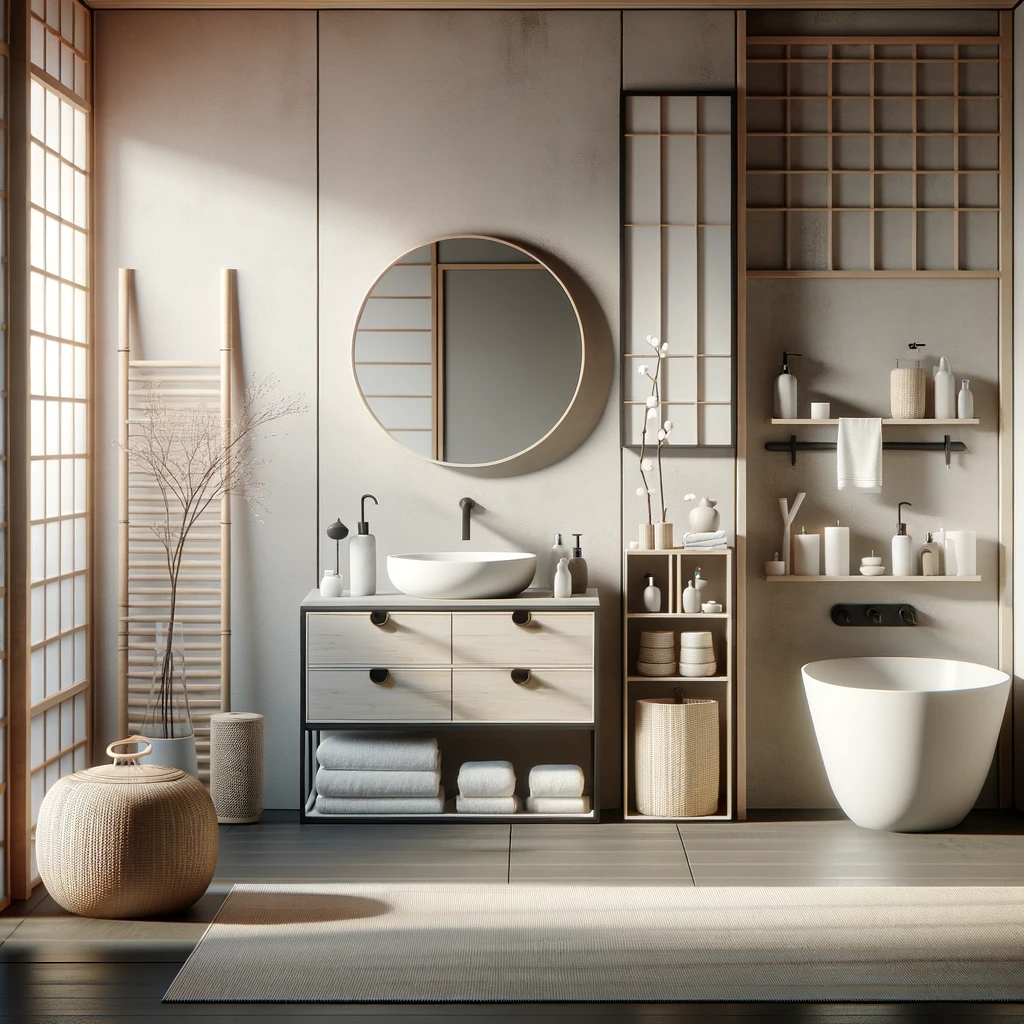
Creating a harmonious and serene space in your home, particularly in the bathroom, can significantly enhance your daily routines and overall well-being. “Japandi” style, a fusion of Japanese and Scandinavian design philosophies, emphasizes simplicity, natural elements, and a blend of functionality and aesthetics. In this guide, we’ll explore how to create a Japandi-inspired bathroom that serves as a tranquil retreat.
1. Understanding Japandi Design
Japandi style combines the minimalist and functional approach of Scandinavian design with the elegant and traditional aesthetic of Japanese decor. This blend results in spaces that are both practical and peaceful. Key elements include clean lines, a neutral color palette, and a focus on natural materials and textures.
2. Color Palette and Lighting
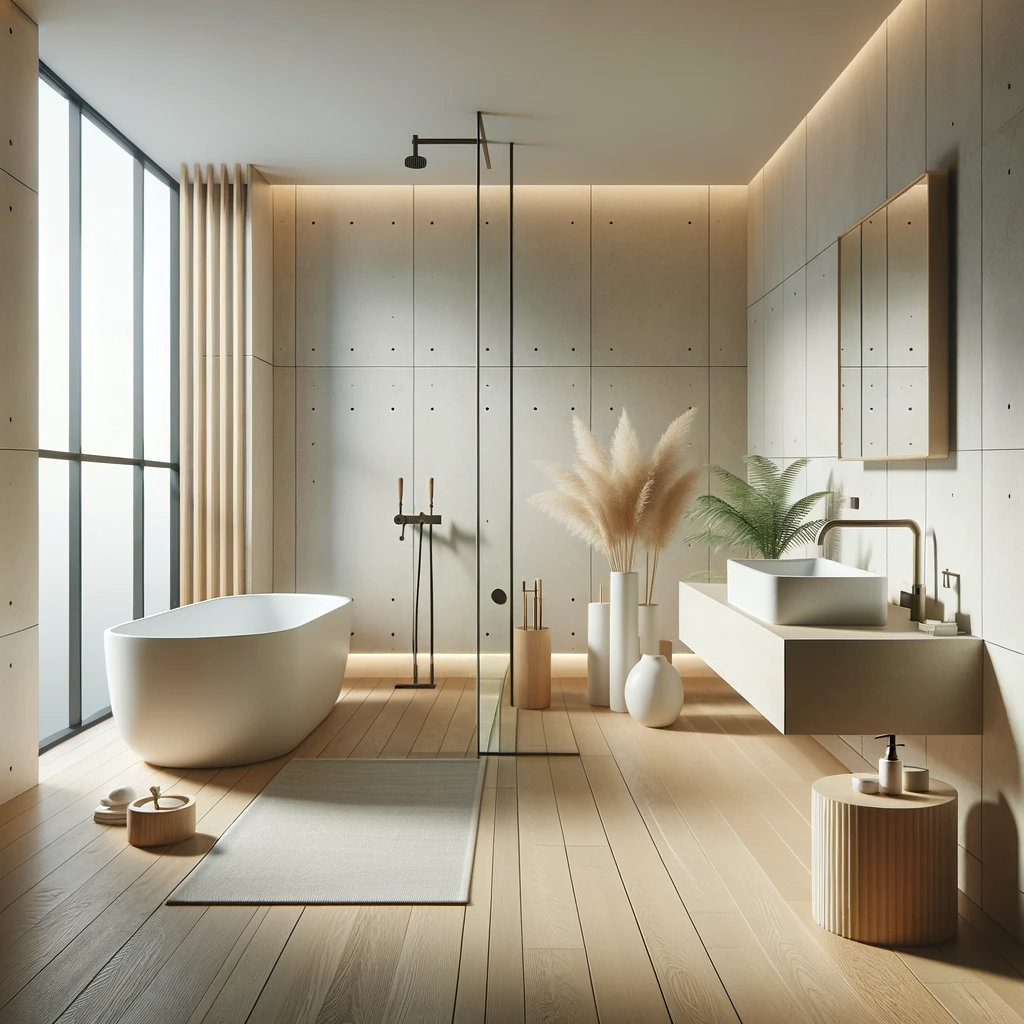
Neutral and Earthy Tones: The Japandi color scheme revolves around neutral and muted colors, such as whites, beiges, light grays, and soft browns. These colors create a calm and soothing environment.
Natural Lighting: Maximizing natural light is crucial in Japandi design. Large windows or skylights can flood the bathroom with soft, natural light, enhancing the tranquil ambiance.
3. Materials and Textures
Natural Materials: Incorporate materials like wood, bamboo, and stone. These elements bring a touch of nature indoors and add warmth to the space.
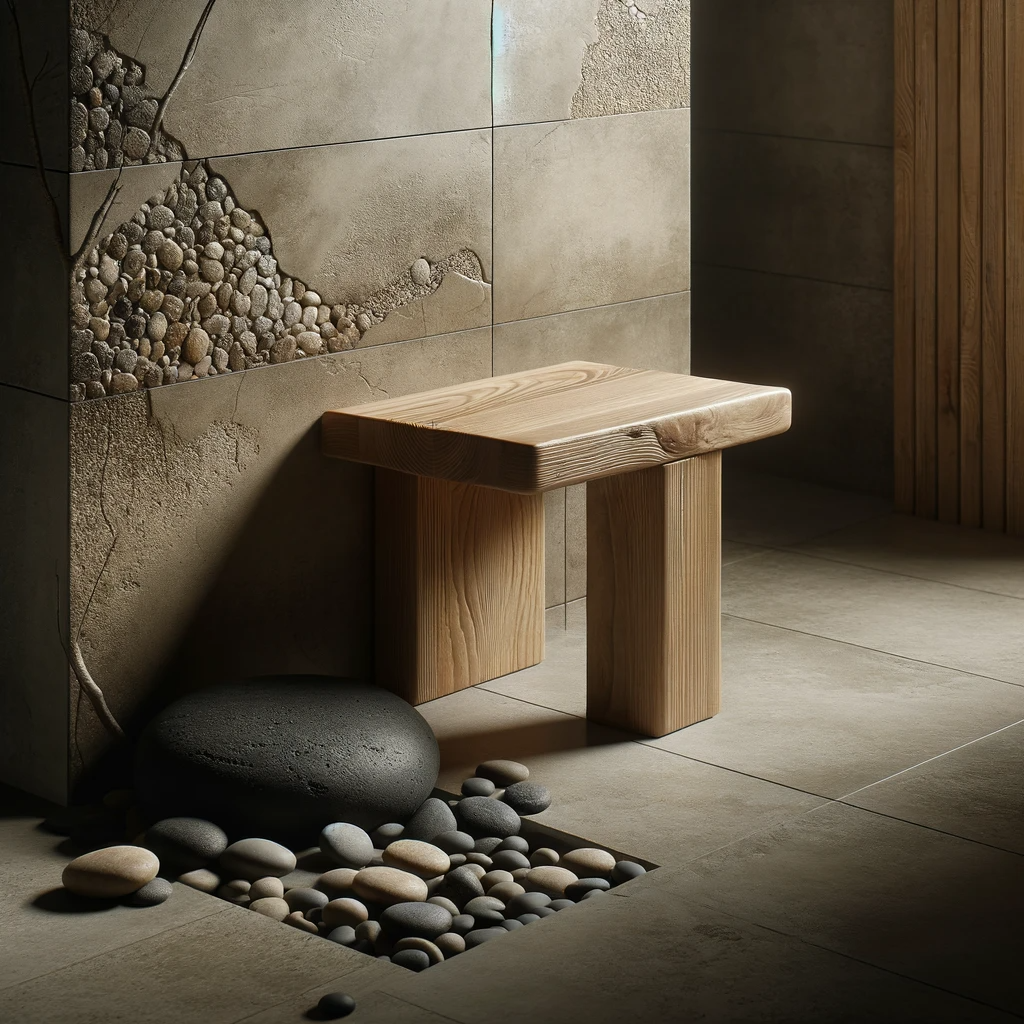
Textural Contrast: Combining different textures, such as smooth stone tiles with a rough wooden stool, adds depth and interest to the bathroom.
4. Functional and Minimalist Decor
Simplicity in Fixtures: Choose simple, functional fixtures with clean lines. Freestanding bathtubs, minimalist taps, and unadorned sinks work well.
Clutter-Free Space: Storage solutions should be sleek and minimal. Hidden cabinets or open shelving made from natural materials can keep the space tidy and serene.
5. Bathroom Plants and Greenery
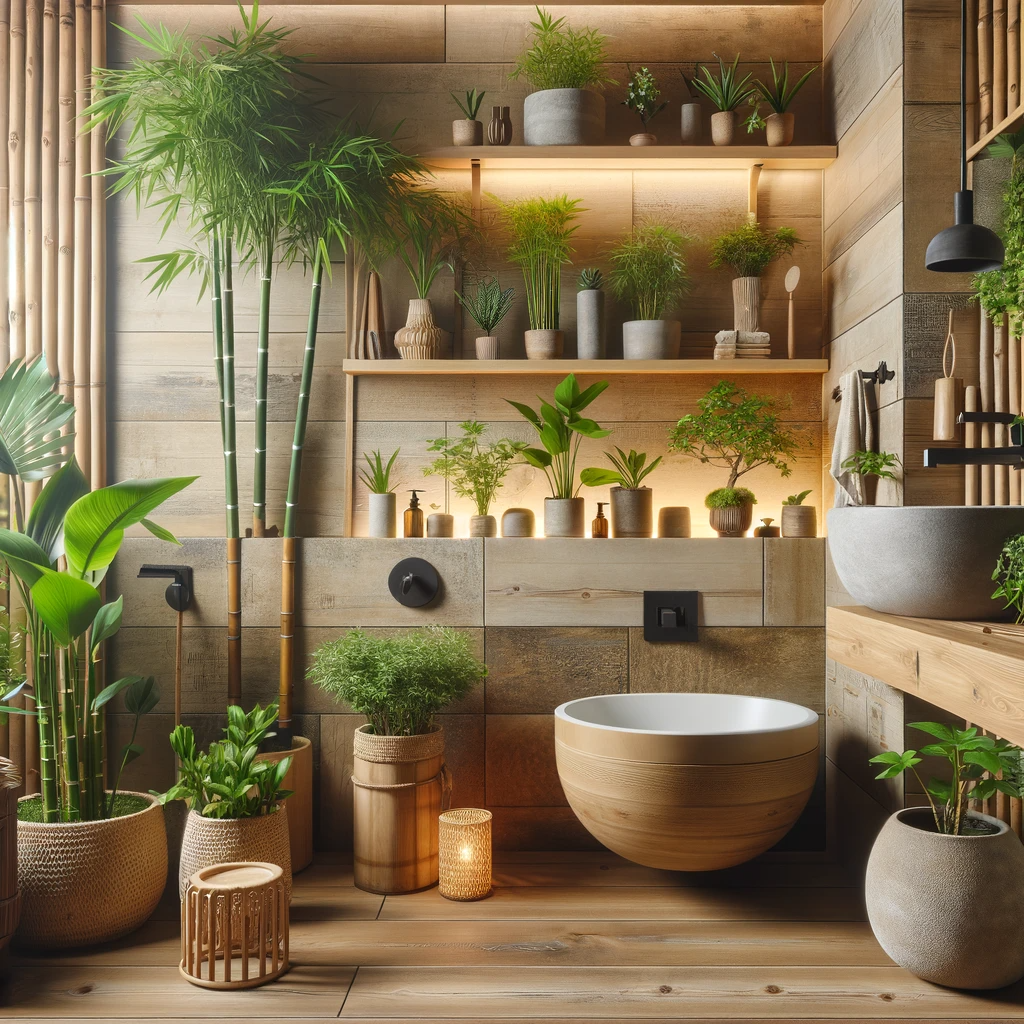
Incorporate Plants: Adding greenery, such as potted bamboo or small indoor plants, can enhance the natural feel. Choose plants that thrive in humid conditions.
6. Accent Pieces
Subtle Decorations: A few carefully chosen decorative items, such as a vase with a simple design or a soft, neutral-toned bath mat, can add personality without cluttering the space.
7. Bathroom Sustainability
Eco-Friendly Choices: Japandi style aligns with sustainable living. Opt for eco-friendly materials and energy-efficient fixtures to reduce your environmental footprint.
8. Conclusion
Creating a Japandi bathroom is about more than just aesthetics; it’s about crafting a space that promotes tranquility and mindfulness. By combining the principles of Japanese and Scandinavian design, you can transform your bathroom into a Zen-like sanctuary.
1-Neutral and Earthy Tones: A Japandi bathroom showcasing a neutral color palette with natural light.
2-Materials and Textures: A close-up view highlighting the use of natural materials like wood and stone in Japandi bathroom design.
3-Functional and Minimalist Decor: An image of a minimalist Japandi bathroom, focusing on clean lines and functional fixtures.
4-Plants and Greenery: A Japandi bathroom accentuated with indoor plants and greenery, enhancing the natural feel.