
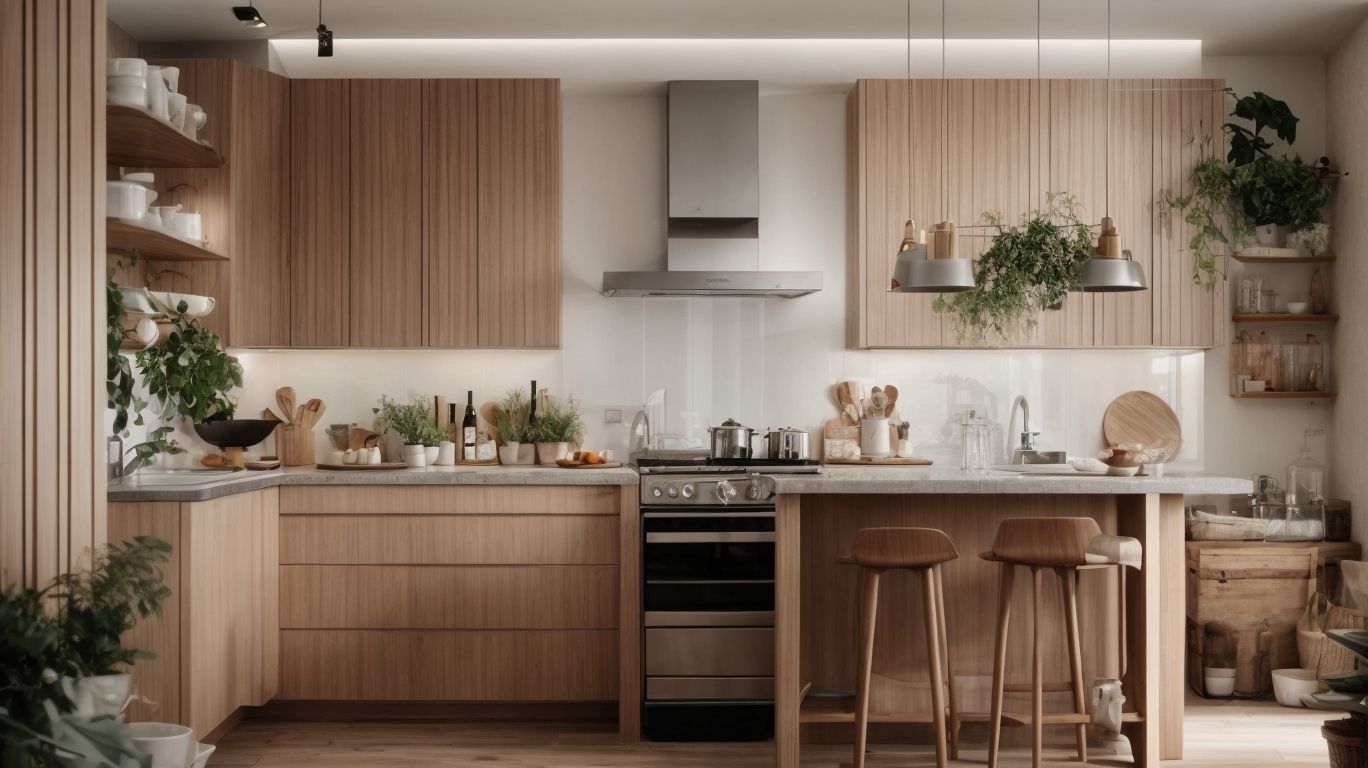
Feeling cramped in a small kitchen is common in many Baltimore-area homes—especially older properties with narrow footprints and limited storage. The good news is that a small kitchen remodel doesn’t need a bigger room to feel bigger; it needs smarter layout decisions, better lighting, and storage that works harder.
If you’re exploring small kitchen remodeling ideas in 2026, D’Fine Design & Build helps homeowners across Timonium, Towson, and Baltimore redesign compact kitchens into functional, bright, and modern spaces. Learn more about working with a Maryland kitchen remodeling team here: https://dfinedesignandbuild.com/maryland-best-kitchen-remodeler/
Start with layout (not decor)
In a small kitchen, layout decisions create the “big impact” faster than any finish upgrade. A reliable planning principle is the kitchen work triangle—how the sink, cooking surface, and refrigerator relate for efficient movement. NKBA guidance commonly references keeping each leg roughly 4–9 feet and the total travel distance under about 26 feet, which helps reduce wasted steps even in tight spaces.
If your kitchen constantly feels blocked, the issue is often traffic flow. Keeping major household walkways out of the main work zone can instantly make cooking feel less stressful and the room feel calmer.
Make open-plan work in a small kitchen
Open-plan doesn’t always mean removing walls—it often means creating visual openness. Swapping bulky upper cabinets for a mix of slimmer cabinetry and selective open shelving can lighten the room, especially when the shelving is used intentionally (daily items, not clutter).
If a full wall removal is on the table, it’s worth planning early for structural and mechanical implications. In Maryland projects, permits may apply if you’re changing electrical, plumbing, ventilation, or structure, so aligning design with the permit plan prevents expensive rework later.
Storage upgrades that actually help
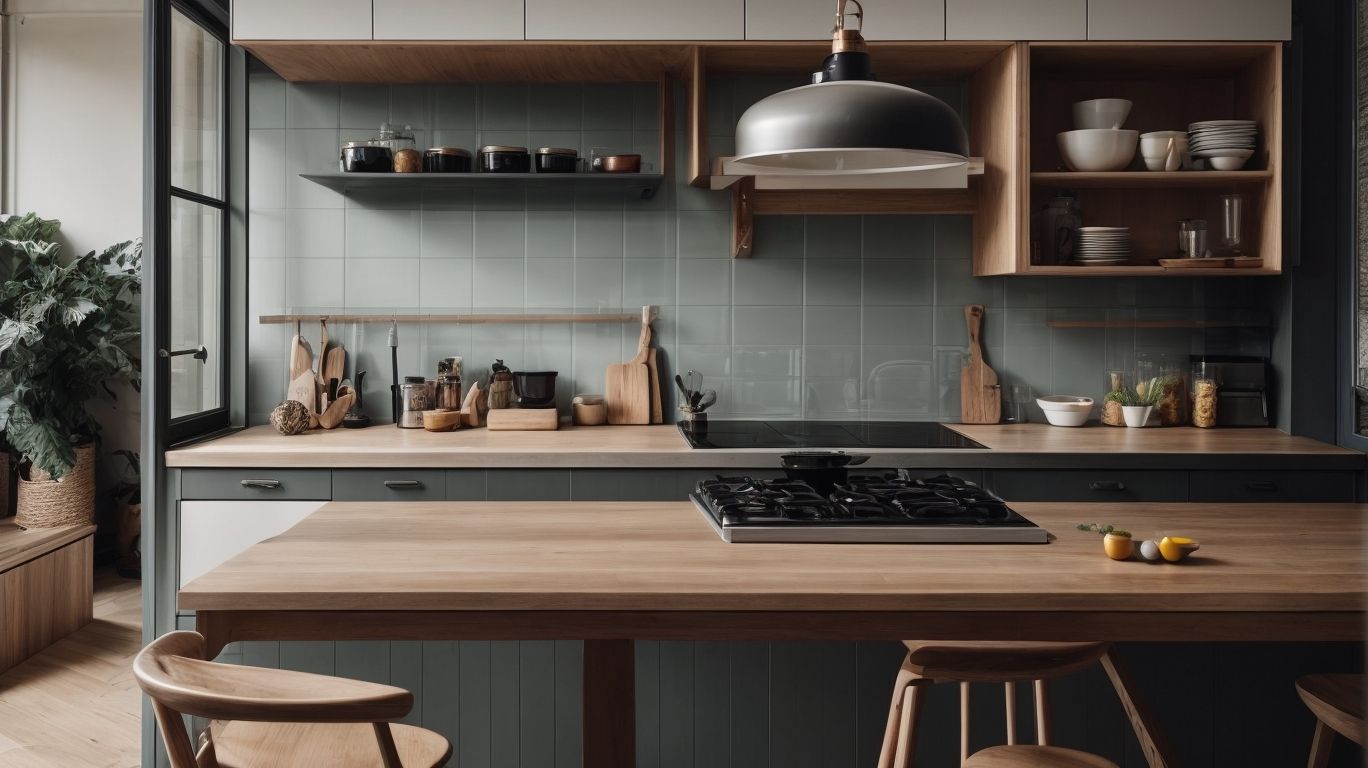
Small kitchens succeed when storage is designed around real routines: where groceries land, where prep happens, and where cookware lives. Vertical storage is usually the fastest win—tall cabinets, wall-mounted rails, pegboards, and slim pantry pull-outs can recover “dead” space without shrinking the room.
Corner solutions (like Lazy Susans or pull-out corner systems) are also high-impact because they reclaim areas that often become unusable. The goal is not “more cabinets,” but less countertop clutter and faster access to what you use daily.
Lighting that makes the room feel bigger (and cheaper to run)
Layered lighting changes how large a kitchen feels. Under-cabinet task lighting removes shadows on counters, while a small number of well-placed ceiling fixtures or pendants can add height and definition.
For 2026, LED is the default choice for efficiency—U.S. DOE notes large-scale potential energy savings from widespread LED adoption, which aligns with why remodelers increasingly specify LED for kitchens (task + ambient + accent).
Color, materials, and “space tricks” that don’t feel fake
Light, warm neutrals often make small kitchens feel more open, but contrast can work too when done intentionally—like darker lowers with lighter uppers to lift the eye. Glossy or reflective finishes (glass, polished tile, lighter quartz-like surfaces) bounce light and help reduce the “boxed-in” feeling.
Flooring can also change perceived dimensions: continuous flooring through adjacent spaces and elongated plank patterns can visually stretch a compact kitchen footprint.
Small-kitchen islands (when they make sense)
A permanent island isn’t always right for a tiny kitchen, but a narrow peninsula or a movable island/cart often is. The best versions add prep space, store daily-use items, and can double as seating without blocking the work aisle—NKBA guidance commonly references wider aisles (often cited around 42 inches for one cook and more for multiple cooks) to keep the workspace comfortable.
Budget-friendly remodel moves
A small kitchen can look fully updated without a full gut remodel. Painting cabinets, upgrading hardware, improving lighting, and adding one “anchor” upgrade (like a new countertop or backsplash) can shift the entire feel. Prioritizing function first—storage, lighting, layout—usually produces the strongest ROI in day-to-day livability.
FAQ: Small kitchen remodeling (2026)
Can a small kitchen still have an island?
Often yes, but many homes do better with a slim peninsula or movable island to preserve comfortable walk space.
Do I need permits for a kitchen remodel in Maryland/Baltimore County?
Permits may be needed for structural changes or modifications to electrical, plumbing, ventilation/HVAC; checking early avoids delays.
What’s the fastest way to make a small kitchen feel bigger?
Better lighting (especially under-cabinet), clutter-free counters through smarter storage, and a layout that keeps traffic out of the main work zone.
What storage upgrades matter most?
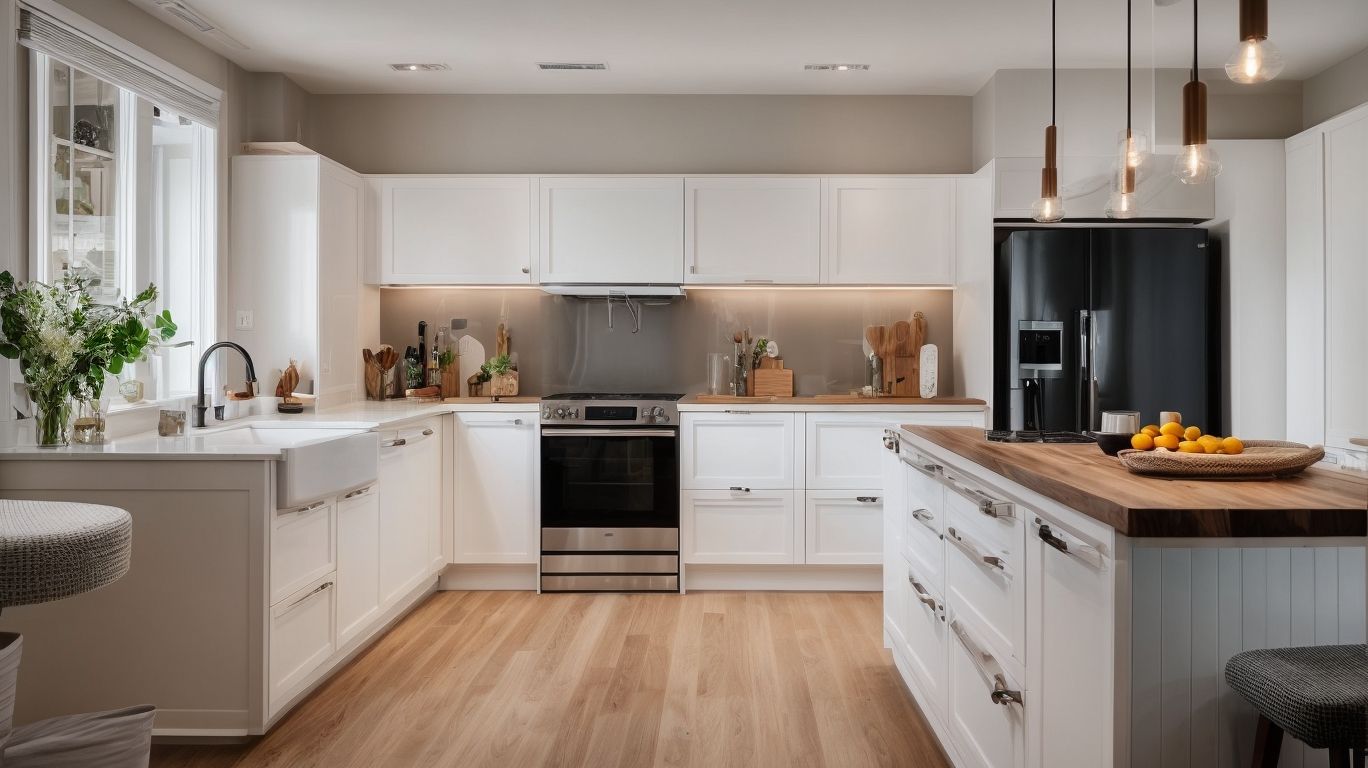
Vertical storage, pull-outs (pantry/bottles/trash), and corner solutions are usually the highest-impact in tight kitchens.
Ready to plan a small kitchen remodel with big impact? Explore D’Fine Design & Build’s kitchen remodeling services and request a consultation: https://dfinedesignandbuild.com/kitchen-remodeling/


Timonium, MD Showroom
Location
D’Fine Design and Build
2135 York Rd, Suite C
Timonium, MD 21093
Opening Hours
Monday to Friday: 9am – 5pm
Saturday: 10am – 5pm
Sunday: Closed
Sales & Order Enquiries
(410) 616-9949
info@dfinedb.com